Hi Aelf Crew,
While staying in Tangier, I took a day trip to Chefchaouen – the city known for its blue-painted streets. I booked a day tour from Viator (link here), which made things very straightforward and included transport plus a guided tour once we arrived.
Chefchaouen is known for its striking blue buildings, whitewashed medina and mountain backdrop. With our guide we began exploring around Place Outa el Hammam, the main square at the heart of the medina. The square is surrounded by cafés, restaurants, and historic buildings, including the 18th-century kasbah and the central mosque.
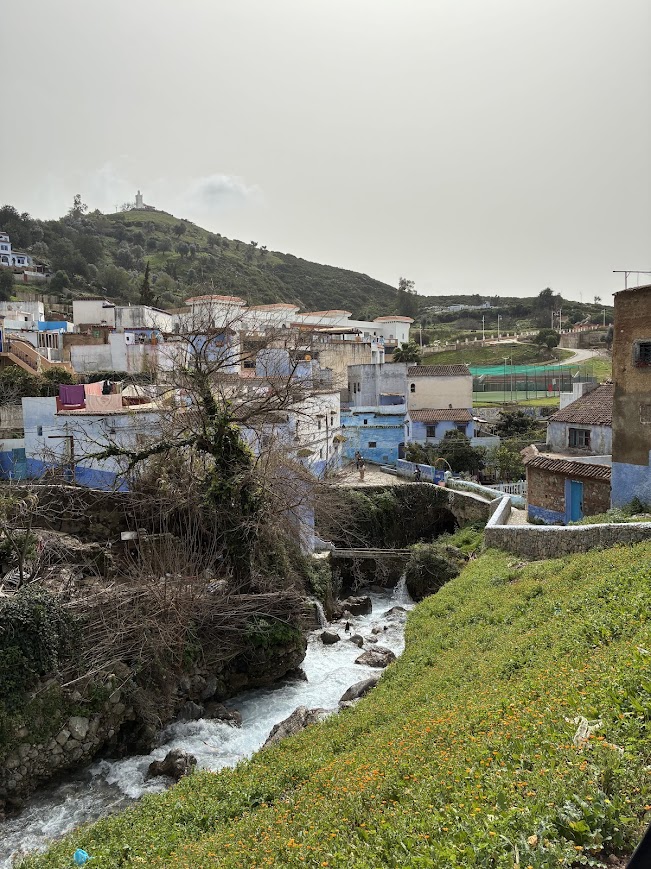
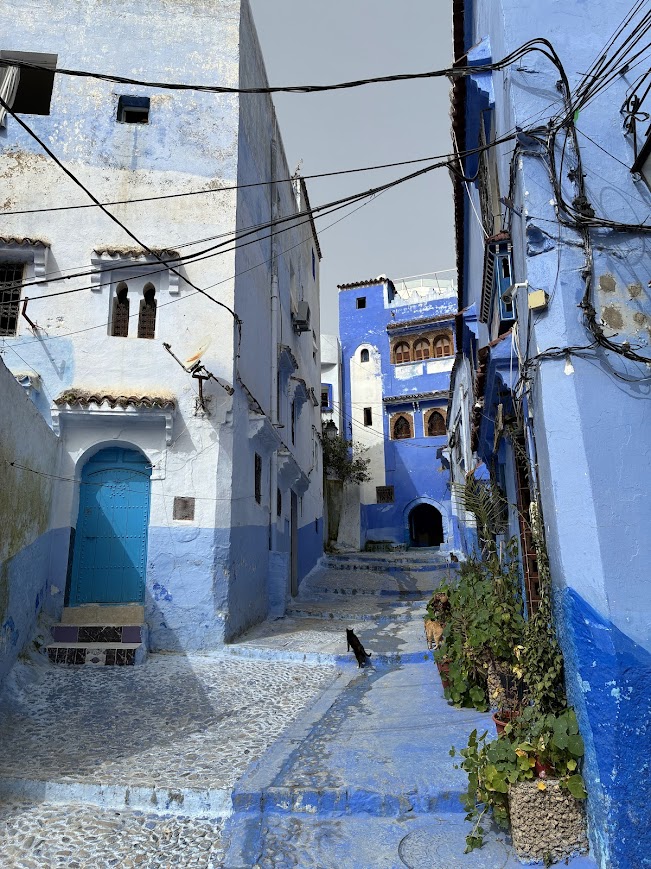
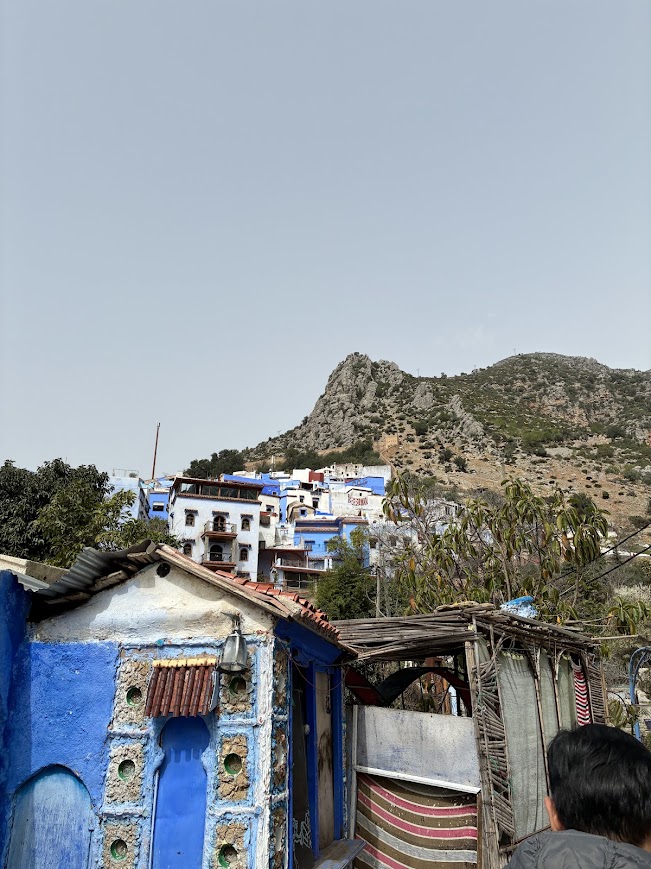
From there, we wandered through the markets and quieter side streets, eventually exploring the old Jewish quarter behind the jewellery souk, which offered another glimpse into the city’s layered history and cultural influences.
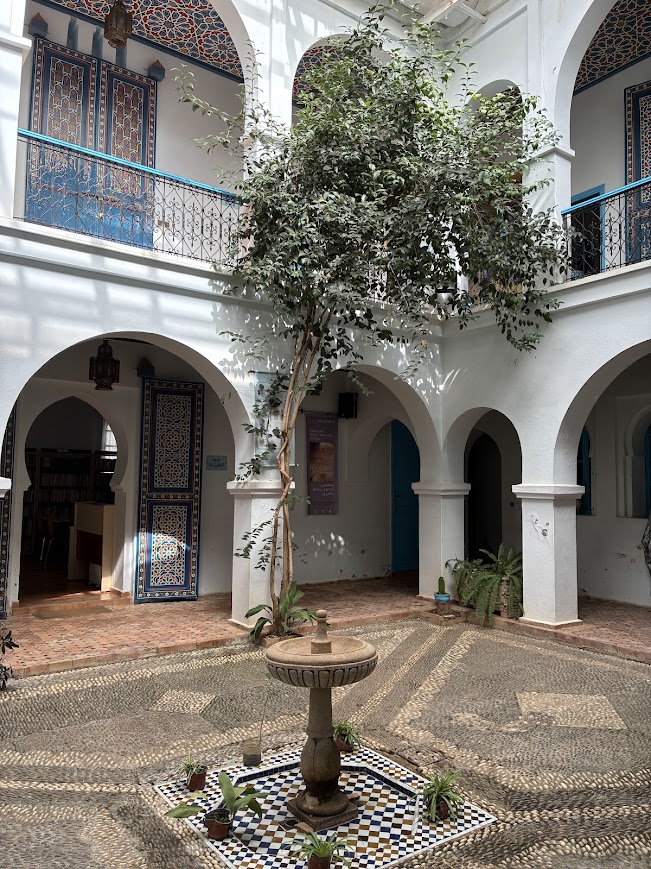
We also went inside the old Moorish kasbah, where you can explore gardens, towers, a small museum and even the former prison areas, all while taking in the beautiful Arab-Andalusian architecture.
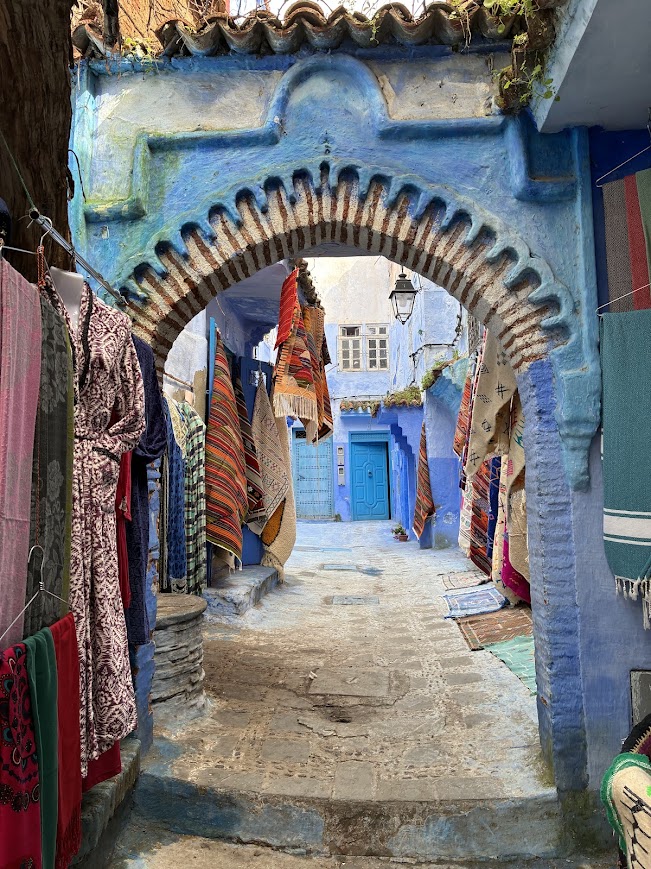
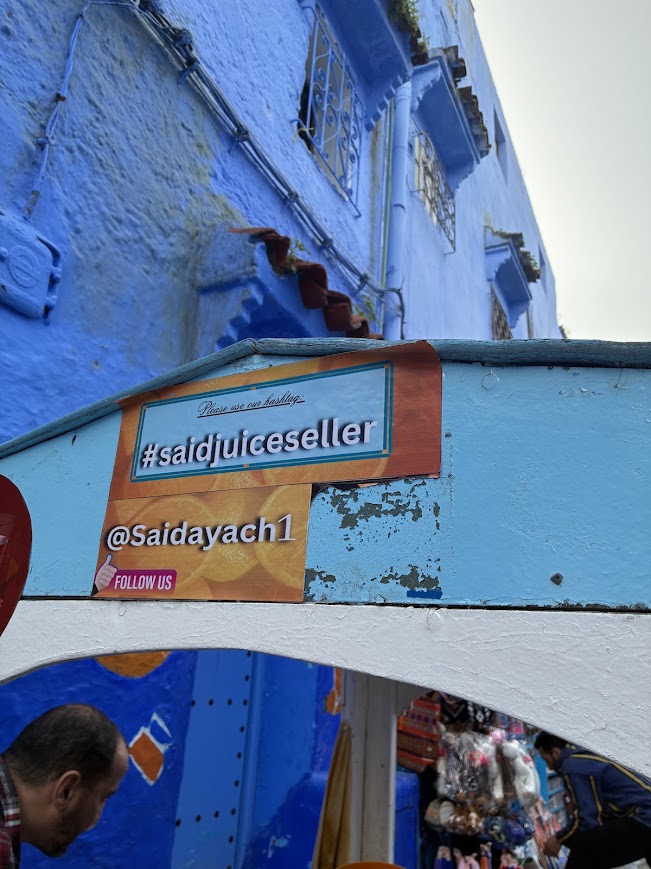
Whilst on our stroll, our guide pointed out a viral orange juice stall, famous on Instagram and TikTok, called Orange Shop – Said Juice Seller. Normally I wouldn’t buy into social media spots, but I have to admit this one deserved the hype. The orange juice was squeezed freshly in front of us and the price also included your own dedicated photo shoot. For 20 MAD (~£1.50), I was a very happy bunny.
Why Is Chefchaouen Blue?
Our guide explained that there are several theories behind the city’s famous blue colour and nobody seems to know the exact reason for certain.
The strongest explanation relates to the Jewish refugees who settled in the city, introducing the practice of painting walls blue as part of their religious and cultural traditions. Historically, the blue buildings were mainly found within the Jewish quarter, known as the mellah, before the style gradually spread throughout the rest of the town, particularly as tourism increased.
Other explanations include:
- the blue helps keep buildings cooler during the hotter months
- the colour helps repel mosquitoes and so prevent malaria
One thing for certain is that the look has been maintained and expanded upon in recent decades to attract tourists.
Is it worth visiting?
I visited Chefchaouen as a day trip, which worked very well for me. Personally, I felt I had enough time to see the main areas, take photos, wander the streets, and stop for food without needing much longer. That said, if you prefer a slower pace or enjoy photography, staying overnight would also work really well.
There are also relatively cheap bus and train options from Tangier if you’d prefer to visit independently rather than as part of a tour.
Chefchaouen was an incredible city and one of the best decisions I made whilst in Morocco was to go – don’t miss this stop!
If you enjoy honest travel notes – the practical bits, the quiet moments, and the things I wish I’d known – you can subscribe using the yellow button at the top or bottom of the page to follow along.
Lost in shades of blue,
Aelfgifu
 Aelfgifu Travels
Leave a comment